
Golden Paths through Alpine Hives
Join us as we explore beekeeping heritage and apiary visits in the Slovenian Alps, where the Carniolan honey bee thrives among spruce forests, glacier-fed valleys, and wildflower meadows. We’ll weave history, flavors, and respectful travel into one warm journey, meeting beekeepers, tasting distinctive honeys, and learning mindful ways to step inside a living hive. Bring curiosity, gentle footsteps, and a willingness to listen; these mountains reward slow travelers who care, ask questions, and celebrate shared stewardship.
Roots of a Gentle Bee
Long before modern highways, Alpine villagers tended Carniolan honey bees with patience, painting hive fronts with folk scenes and teaching careful craft from parent to child. Anton Janša’s pioneering lessons still echo in workshops and museums, reminding visitors that knowledge grows through seasons, mistakes, and kindness. When you listen to elders describe swarms under thunderclouds, or winter chores beside a warm stove, you feel continuity humming like wings across generations.
Mountains, Meadows, and Nectar Flows
Snowmelt feeds meadows where crocus, dandelion, and fruit trees open early, while linden stands perfume valleys as days grow long. Higher ridges hold wild thyme and blueberries, and spruce offers resinous honeydew when blossoms fade. Understanding these shifting flows guides respectful timing, gentle routes, and realistic expectations.
Spring Rush below the Passes
Lower elevations awaken first, buzzing with orchard bloom and roadside flowers, creating bright, delicate nectar that mirrors spring’s nervous energy. Visits here reward morning light, cooler air, and short walks that allow careful listening without hurrying bees pushed by brisk, unpredictable weather patterns.
High Summer on Flowering Ridges
Alpine pastures crest into riotous color, and hives pulse steadily as long days mellow. Keepers may shift boxes to follow bloom, explaining choices shaped by wind, shade, and trail access. Watching respectfully clarifies hard labor behind seemingly effortless jars carried home.
Autumn Honeydew and Quieting Woods
When flowers retreat, forests whisper possibilities, and bees harvest honeydew from aphids among conifers, creating dark, mineral sweetness. Trails grow quiet; visits slow down. Conversations turn reflective, revealing how landscapes teach humility, patience, and gratitude for nourishment gathered under fading light and first frost.
Inside the Apiary Gate
Arrival begins with asking permission and slowing your breath. Bees sense haste, perfumes, and rough gestures, so hosts provide veils, suggest calm colors, and guide you to gentle distances. Learning how smoke redirects attention, and why steady movements matter, builds trust, safety, and welcome.
Tastes of the Hive
A tasting reveals geography on the tongue: pale spring honeys whisper of orchards, while buckwheat and chestnut deepen toward molasses. Pairing flights with cheeses, rye bread, or mountain herbs encourages thoughtful pacing, lively notes, and journal scribbles that turn sweetness into memory, place, and conversation.
Craft and Care: Hives, Tools, and Hands
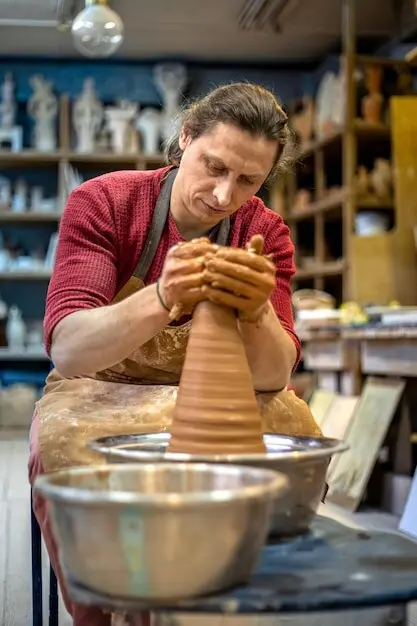
Wood selection, hive style, and placement are quiet decisions shaping every visit’s safety and every colony’s comfort. In these valleys, AŽ cabinet hives rest beneath painted shelters, while portable boxes follow pasture bloom. Repair, careful cleaning, and calm routines reflect devotion measured in minutes, seasons, and lifelong curiosity.
Paths for Curious Travelers
Morning by the Lake, Afternoon among Hives
Watching sunrise at Bled or Bohinj sets a thoughtful pace before meeting a nearby host. Early starts avoid heat and crowds, creating space for unhurried demonstrations, tastings, and photographs. Ask questions, write notes, and promise to share reflections when you return home.
Cycling the Honey Road
Quiet lanes link villages, chapels, and shaded apiaries ideal for bicycles. Carry water, respect traffic, and schedule leisurely breaks for tastings or sketching wooden shelters. Slow travel amplifies scents, birdsong, and conversations, revealing distances measured not by speed but by attentive, neighborly encounters.
Family-Friendly Curiosity
Children delight in bee suits sized for explorers and magnifying glasses near flowers. Many hosts design activities that balance safety, storytelling, and brief concentration spans. Parents appreciate shaded benches, wash stations, and clear explanations that transform nervousness into wonder and kindly, lasting respect.
Planting for Pollinators at Home
Create windowsill boxes and yard patches that bloom across seasons, offering nectar while you remember mountain visits. Native choices reduce maintenance and feed neighbors. Sharing seed swaps or school gardens extends impact, turning inspiration into small, steady actions that protect buzzing futures everywhere.
Supporting Local Apiaries Fairly
Ethical purchases value labor, weather risks, and seasonal limits. Pay the asked price, avoid bargaining down, and celebrate years when harvests run light. Posting sincere reviews and recommending hosts sustains livelihoods, improving care for bees, landscapes, and curious guests following in your footsteps.

All Rights Reserved.