Grain, Peaks, and Hands: Capturing Slovenian Mountain Craft

Step into a journey where film photography meets the living traditions of Slovenia’s mountains, honoring makers whose skills echo across ridgelines and pastures. Today we explore film photography journeys documenting Slovenian mountain crafts, from cheesemaking on wind-polished plateaus to ironwork glowing in alpine valleys, weaving stories of texture, patience, and heritage. Expect practical guidance, field notes, and heartfelt encounters that transform negatives into narratives, while celebrating the humility required to photograph respectfully among tools, weather, and quietly resilient communities.

Analog Readiness for High Country Light

Mountain light can be merciless and magnificent, shifting from velvet dawn to blazing snow glare in minutes. Preparing analog gear means anticipating contrast, preserving function in cold, and choosing film that forgives surprises. We’ll balance technical discipline with responsive intuition, keeping packs lean, pockets warm, and cameras ready for swift, respectful moments with artisans whose rhythms deserve steady eyes and steady hands. Expect notes on exposure control, durability, and creative restraint that empowers every frame.

Film stocks that honor snow, wood, and wool

Select emulsions that interpret alpine brightness and workshop shadow with grace. Portra 400 handles volatile skies and fast portraits, while Ektar 100 crisply renders carved grain and glacial blues. Ilford HP5 and Tri‑X forgive hurried metering and welcome subtle pushes in dim forges. Rate generously, protect canisters from condensation, and log exposures with honest intent. Prioritize consistency over novelty, so your story holds together from pasture sunrise to hearthside dusk.
Lenses, filters, and care in the cold

A compact kit beats a heavy arsenal on steep switchbacks. Favor a fast 35mm or 50mm for intimacy and a modest 85mm for portraits without intrusion. A polarizer tames glare; yellow or orange filters deepen snowy skies on black‑and‑white. Keep silica gel in your bag, tape seams against spindrift, and cradle gear beneath your jacket between shots. Batteries retire early in frost, so meter swiftly, breathe slowly, and reward patience with clean, confident frames.
Metering strategies above the tree line

Snow lies, tools shine, faces glow—reflected light distorts judgment. Use incident readings when possible, or place key tones deliberately with a spot meter and a simplified Zone approach. For negative film, protect shadows while minding highlights; for slide film, guard luminous whites relentlessly. Add exposure compensation over snow, especially at noon. Bracket with intention, not fear, and trust a handheld meter more than LCD habit. Write notes that outlast memory and altitude.
Trust begins with listening

Before raising a camera, ask about seasons, ancestors, and why a particular knife edge curves that way. Attempt a few Slovene greetings, accept advice, and share your intentions plainly. Show past prints, not promises, and resist directing hands that already dance with purpose. When voices soften and stories lengthen, moments appear naturally, unforced. The frame becomes a shared place, where the maker’s pride stands taller than any mountain vista behind them.

Timing with the mountain year

Cheesemaking peaks on summer pastures; shearing punctuates spring; larch turns copper in autumn; forges glow longer during winter evenings. Align travel with this rhythm to witness process rather than demonstration. Arrive before work begins, stay through repetition, and notice the small evolutions from batch to batch. Patience grants access to gestures hidden from hurried visitors: quiet nods, tool maintenance, and tea breaks where weather and lineage mingle like steam above enamel cups.

Consent, credit, and quiet working

Obtain clear permission for portraits and publication, then keep your word. Offer finished prints, not just files, and invite corrections if details of tools or terminology drift. Work light and low, stepping aside when space narrows, never blocking exits or livestock paths. When concentration deepens, silence your shutter between movements, breathing with the cadence of the craft. Integrity becomes part of your exposure triangle, shaping results as surely as aperture or film choice.

Paths to the Makers: Access with Heart

Craft lives in kitchens, sheds, forges, and summer huts where hospitality outweighs spectacle. Gaining entry means asking permission, learning names, and accepting slow introductions over coffee and fresh cheese. Respect quiet hours, animals, and tools arranged for work, not pictures. Bring patience, humility, and a willingness to help carry wood or water. Relationships, not shortcuts, open doors and yield images breathing with dignity, context, and trust that no staged scene can replace.

Stories in Grain: Field Notes from the Julian Alps and Beyond

Three journeys taught lessons no manual could: dawns that smelled of smoke and juniper, pockets heavy with exposed rolls, and hands dusted with flour, ash, or lanolin. These encounters, brief yet generous, proved how analog pace honors real time. Each frame carried the maker’s breath, the mountain’s weather, and my own uncertainty, slowly resolving in trays and scans into memories that belong to everyone present, not just the one behind the camera.

Dawn on Velika Planina

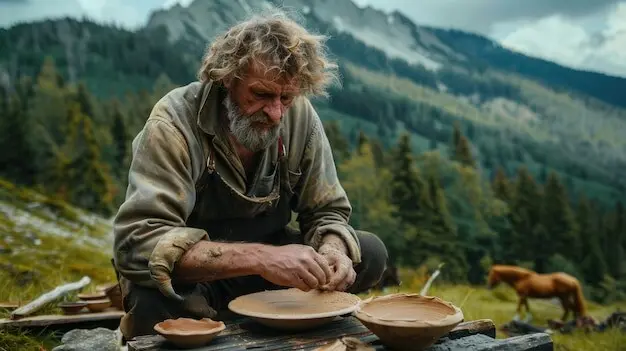
Mist lifted as bells chimed and curd thickened in a wooden tub. A herder shaped trnič with practiced palms, smiling at my clumsy notebook. Portra 400 swallowed pale light, revealing smoke‑silver beams and milk’s quiet surface. I waited between ladles, framing hands against weathered boards. When steam met sunshine, a single frame felt inevitable. Later, I returned with small prints; he laughed, traced the grain, and tucked one into a tin beside rennet.

Sparks in Kropa’s forge

In a dim smithy below snowy slopes, iron sang. Tri‑X loved the grit: hammer arcs, ember constellations, soot‑bright eyes. I metered for faces, let highlights run wild, and embraced halation ghosting around the anvil’s edge. Between blows, the blacksmith taught me names for tongs and tempers, correcting spellings I’d guessed. When rain began, light sharpened, and the door became a perfect softbox. He accepted a portrait quietly, then returned to fire.

Composing Between Ridge and Workshop

Composition here is choreography: hands, implements, and horizons negotiating the same rectangle. Backgrounds tilt, benches crowd, and weather writes its own lines across metal and milk. Rather than isolate, connect: let a chisel echo a ridgeline, or smoke trace a contour the river began. Choose vantage points that respect workflow, then simplify gently with depth of field and rhythm. The most truthful frames feel discovered, not designed, yet still hum with intention.
Begin with a gesture, add a tool, then anchor the scene with distant slopes or stacked firewood. Stagger planes so air seems to move between them, keeping hands dominant and context legible. Use diagonals from benches or rafters to guide attention without shouting. Accept imperfections—chalk dust, scuffed boots—as narrative gifts. When elements align naturally, press the shutter once, not five times, trusting that restraint preserves the freshness you felt in your chest.
Fog simplifies chaos, snow dignifies clutter, and harsh sun cuts sculptures from ordinary tasks. Embrace backlight on steam, sleet stippling on aprons, and sudden shafts through chamfered windows. Protect highlights while cultivating atmosphere; let flare whisper if honesty trumps polish. When the forecast seems impossible, pack anyway. Some crafts glow under overcast, while others bloom in storms. Learn what each process prefers, and you’ll stop chasing light and start collaborating with it.
Workshops rarely pause, so create calm inside motion. Step closer, lower your voice, and invite stillness with breath, not orders. Place subjects where familiar tools cradle them naturally, then watch for micro‑expressions between decisions. A slower shutter can blur background rhythms without stealing sharpness from eyes. Avoid prop theatrics; dignity thrives on reality. Offer one frame for review only after the day ends, letting trust, not approval, define the portrait’s quiet authority.

From Negative to Narrative: Processing and Archiving

The journey continues in chemistry and curation. Whether developing on the road or partnering with reputable labs in Ljubljana or Maribor, consistency matters more than novelty. Keep temperatures honest, notes meticulous, and edits sympathetic to the materials’ voice. Scans should preserve contrast shaped outdoors, not reinvent it indoors. Prints, thoughtfully sequenced, become offerings—evidence that collaboration happened. Archive with care so future hands can revisit craft and mountain in their original, breathing conversation.

Where to Point Your Compass Next

Opportunities unfold where paths cross craft and altitude: planine above forest lines, valleys holding forges, and museums safeguarding memory. Research opening hours, shoulder seasons, and snow closures before committing film and footwork. Consider the Slovenian Alpine Museum in Mojstrana, the ironworking heritage of Kropa, and plateaus like Velika Planina or Pokljuka. Build slack into itineraries, because weather and conversation frequently reward unplanned afternoons with photographs you could never have scheduled.

Join the Workshop in the Clouds

This space thrives on shared practice and generous critique. Subscribe for route ideas, maker introductions, and film tests born from real hikes and real conversations. Comment with questions, corrections, or invitations; we’ll update guides to reflect lived knowledge, not guesses. Submit a short analog photo essay and we’ll feature rotating reader journeys, crediting every collaborator properly. Together we can keep these crafts visible, respectfully photographed, and meaningfully supported—one careful frame and kind exchange at a time.
Tunonarilivonilomiranovizuno
Privacy Overview

This website uses cookies so that we can provide you with the best user experience possible. Cookie information is stored in your browser and performs functions such as recognising you when you return to our website and helping our team to understand which sections of the website you find most interesting and useful.